










Jan 22, 2026 10AM
Saudi Arabia’s Halal Mark Track aligns halal certification with ESG standards
Saudi Food and Drug Authority through the Saudi Halal Center, has introduced the Halal Mark Track system which will align halal certification with Environmental, Social and Governance (ESG) standards.
In partnership with the Halal Product Development Company– owned by the Kingdom's Public Investment Fund and THIQAH – the initiative aimed to create a more reliable and sustainable halal ecosystem.
Food Business Middle East & Africa reported, the Halal Mark Track will allow products to meet religious and sustainability criteria under the supervision of the Saudi Halal Center by integrating approved halal standards with ESG requirements.
Through the combination of halal compliance and ESG measures, the initiative seeks to boost consumer trust in Saudi products and strengthen their competitiveness in regional and global markets.
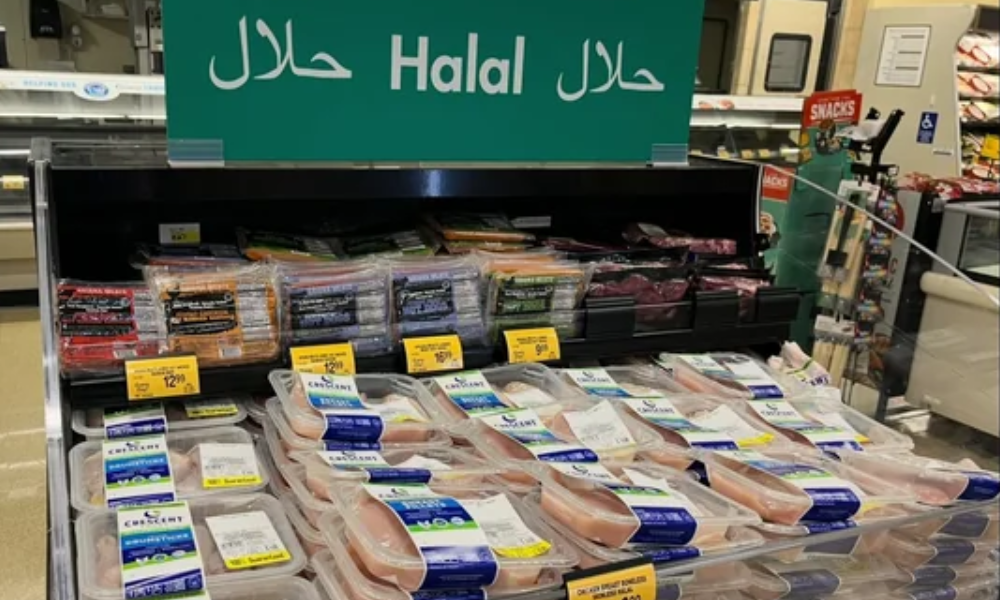
Halal Mark Track becomes an important tool to enhance operational efficiency in the sector and provide market opportunities for local and foreign companies. (photo credit: Reddit r/bayarea)
The system will facilitate in developing a structured ecosystem that focuses on assessing products and services, providing businesses with a recognized quality standard that allows them to expand their operations locally and internationally.
According to Food Business Middle East & Africa, Saudi officials described the Halal Mark Track as a strategic step towards enhancing operational efficiency in the sector, aside from providing market opportunities for local and foreign companies.
The initiative follows a report in July 2025, whereby the Saudi Arabia government announced that they were piloting a digital livestock management system based on facial recognition technology to monitor small ruminant’s health and productivity.
Introduced under the Sustainable Rural Agricultural Development Programme (Saudi Reef), the Saudi Smart Flock system was implemented on six pilot farms last year in an effort to modernize small-scale animal farming.
The system identifies animals through facial features, tracks performance, monitors health, and integrates farm records into a single digital platform suitable for traditional and intensive livestock farms.
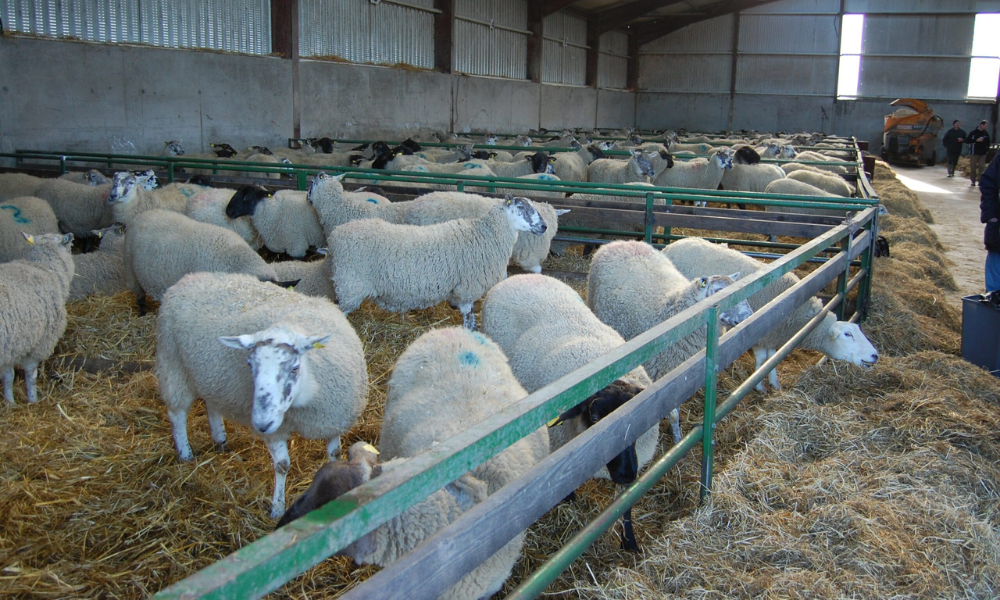
Saudi Arabia is on track to modernize small-scale animal farming. (photo credit: Agriland)
Through the system, farmers are able to receive real-time data on herd performance and health, reducing losses and improving livestock quality over time.
Based on the Food Business Middle East & Africa report, Saudi Reef aims to raise incomes for small-scale farmers as well as boost national food production through technology-driven livestock management.
The Saudi Arabia General Authority for Statistics (GASTAT) reported, the country possesses around 22 million sheep, 7.4 million goats and 2.2 million camels, with most sheep being female and the majority of camels aged four years or older.
This data indicates that the livestock sector remains central to rural economies, with millions of sheep, goats, and camels raised across the Kingdom.

Cerita, bukan Berita
Stay Ahead with the Latest Halal and Islamic Updates
Waktu Solat



20 May 2026
Waktu solat berikutnya,
Dhuhr
pada
13:13


Imsak
05:40:00
Fajr
05:50:00
Syuruk
07:01:00

Dhuhr
13:13:00

Asr
16:36:00

Maghrib
19:20:00

Isha
20:34:00