











Feb 03, 2026 4PM
Iran leads molecular and genetic technologies among Islamic nations
AhlulBayt News Agency (ABNA) reported, the Islamic Republic of Iran has been introduced as the leading country in the Islamic world pertaining to molecular and genetic technologies, based on long-term research performance data from 2000 to 2024.
According to ABNA, the international scientometric evaluations indicated that Iran secured the top position among Muslim-majority countries in advanced biotechnology fields which includes gene therapy, CRISPR-based technologies, RNA interference and transfection methods while ranking top 30 globally in several subfields.
The country’s strongest global standing has been recorded in transfection technology, reflected in its position as the 14th worldwide and first in the region by a significant margin.
“In gene therapy, Iran maintains 15th place globally and remains the leading country in the Islamic world.
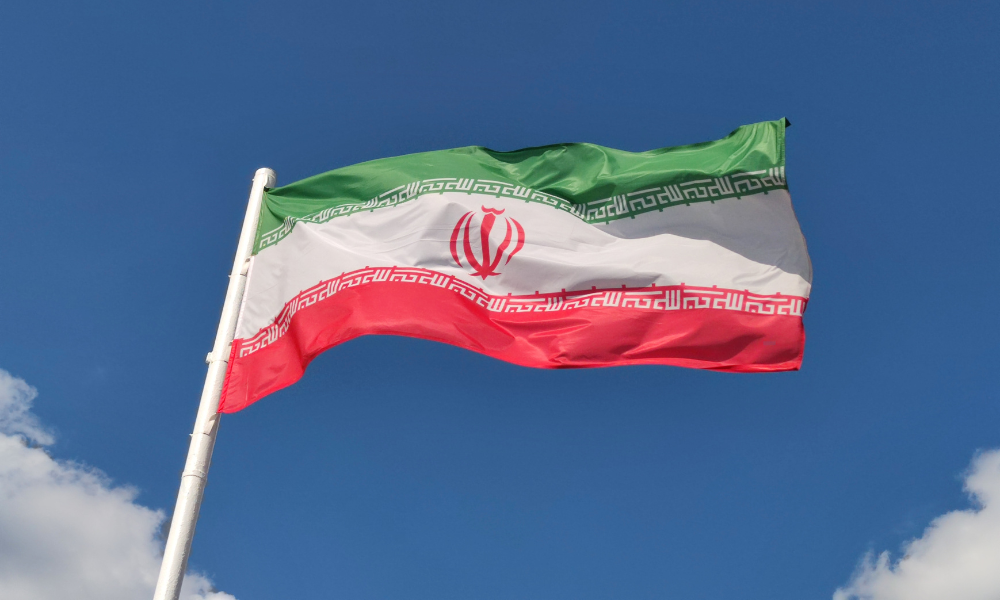
According to Islamic Republic News Agency (IRNA), Iran is placed first in transfection technology, followed by Turkey, Egypt, Saudi Arabia and Malaysia.
“In RNA interference technologies, Iran has secured 29th place globally and the top position in the Islamic world.
“In more precise gene-editing tools such as TALEN and zinc-finger nucleases, Iran is also listed among the world’s top 20 countries and holds second place regionally” reported ABNA.
At the same time, Iran has also registered notable progress in stem cell research and cell therapy, extending its achievement beyond molecular genetics.
ABNA reported, the country has entered the group of the world’s top ten nations in the development of cell therapy over the past year, demonstrating the growing number of approved and market-ready therapeutic products.
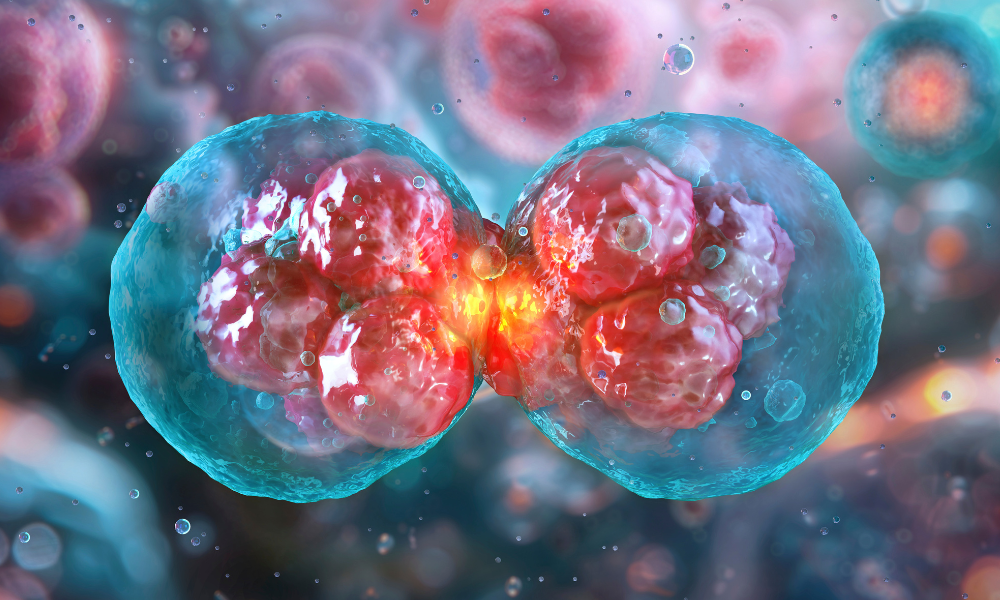
According to the National Institutes of Health (NIH), stem cell research offers unprecedented opportunities for developing new medical therapies for debilitating diseases and a new way to explore fundamental questions of biology.
“Scientific officials describe cell therapy as a strategic priority, stating that the long-term objective is for Iran to rank among the world’s top five countries in this field and to reduce patients’ dependence on treatment abroad.
“Health-oriented innovations form a core part of Iran’s national science and technology agenda. Ongoing projects include advanced treatments for rare genetic diseases, early diagnostic technologies for gastrointestinal cancers, and applied biomedical solutions aimed at strengthening the domestic capacity of the health system.
“Simultaneously, efforts are underway to modernize traditional medicine on a scientific basis, including the use of nanotechnology to enhance the effectiveness and absorption of herbal compounds and the implementation of clinical trials to assess therapeutic outcomes,” ABNA reported.
In conjunction, artificial intelligence is increasingly being deployed across Iran’s healthcare system, including radiology and pathology, to improve diagnostic accuracy, reduce costs, and expand access to medical services.

Cerita, bukan Berita
Stay Ahead with the Latest Halal and Islamic Updates
Waktu Solat



04 Feb 2026
Waktu solat berikutnya,
Dhuhr
pada
13:30


Imsak
06:08:00
Fajr
06:18:00
Syuruk
07:27:00

Dhuhr
13:30:00

Asr
16:51:00

Maghrib
19:28:00

Isha
20:40:00