










Jan 28, 2026 4PM
More cosmetic brands merge halal, vegan to meet ethical needs
Although vegan and halal qualifications differ significantly, the values of both categories– centred around making ethical, safe and responsibly produced goods – overlap, encouraging cosmetic brands to converge vegan and halal in their products.
The CEO and founder of Dawn Horizon, Dewi Suratty said, consumers today focus more on where the ingredients come from, how they are processed and whether harm is caused in the process.
“The key overlap is that both aim to give consumers confidence that the product aligns with strong ethical values.
“More brands are now designing their products from the start to meet multiple ethical standards at once– halal, vegan, cruelty-free and often clean beauty as well,” she said, as reported by Personal Care Insights.
For the record, halal products prohibit the usage of ingredients from khamr– intoxicating elements – while vegan products necessitate the exclusion of animal-derived ingredients, irrespective of the animal species or the manner in which it was slaughtered.
Unlike vegan and cruelty products which focus on excluding animal derivatives and animal testing, halal ingredients require a formal system to guarantee the cleanliness, traceability and control throughout the entire supply chain.
Many halal cosmetics companies are expanding their certification to include vegan and cruelty-free products.
By converging halal and ethical beauty certifications, Suratty said cosmetic brands are able to expand their market and reach more consumers despite their preferences.
“Combining halal with vegan and cruelty-free positioning allows brands to reach both Muslim consumers and non-Muslim consumers who care about ethical beauty.
“This widens the customer base and makes the brand more competitive globally,” she said.
The CEO added, vegan and cruelty-free claims indicate the brand’s commitment to or concern with ethics and responsibility, which aligns with Islamic values that Muslim consumers live by.
Although these claims do not automatically mean that the product is halal, they build trust among the Muslim community.
“Even in non-Muslim markets, halal is increasingly seen as a quality assurance label too, especially within the clean beauty and ethical beauty segments.
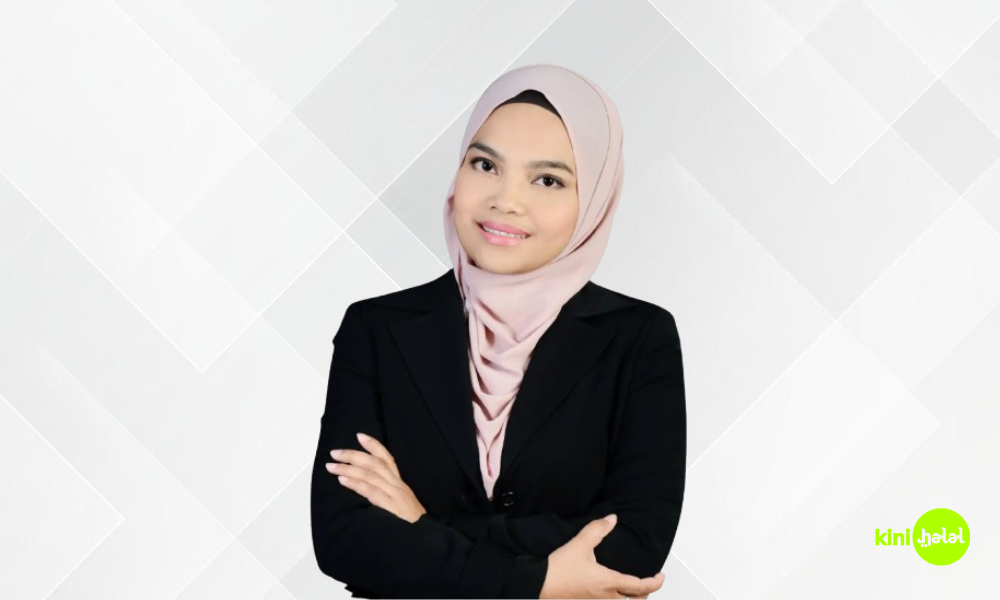
The CEO and founder of Dawn Horizon, Dewi Suratty (photo credit: Halal Practitioner)
“This is driving interest in regions such as Europe, North America, East Asia and Australia,” said Suratty.
For example, Personal Care Insights refers to the Canada-based gel nail brand, Tuesday In Love– known for its child-labour free, cruelty-free, vegan and halal products – who donates its proceeds to Islamic Relief Canada to support Palestinian families.
The portal also refers to the Indian personal care brand, Iba Cosmetics that offers halal, PETA-certified, cruelty-free and vegan products as well as the Indonesian skin care brand, Wardan who follows a halal green beauty philosophy.
Taking a step further, Personal Care Insights reported the world’s largest Muslim-majority country is on track to governmentally enforce mandatory halal certificates for goods– including cosmetics – a policy constructed to strengthen and drive the Indonesian national economy.
“Another clear trend is that brands use halal certification to enter Muslim-majority markets, while maintaining vegan and cruelty-free claims to stay relevant in Western markets.
“This shows a shift from seeing certifications as a compliance exercise to using them as part of long-term brand strategy,” Suratty concluded.

Cerita, bukan Berita
Stay Ahead with the Latest Halal and Islamic Updates
Waktu Solat



31 Jan 2026
Waktu solat berikutnya,
Maghrib
pada
19:28


Imsak
06:08:00
Fajr
06:18:00
Syuruk
07:26:00

Dhuhr
13:29:00

Asr
16:51:00

Maghrib
19:28:00

Isha
20:40:00